Schools & classrooms
- 8 classrooms built or renovated — Agnam, Guédé Dieri, Mboyo Dieri & Hamady Baga
- A full preschool in Agnam — boundary wall, 4 toilets, a director’s office and a kitchen
About Us
Since 2018 we've delivered simple, high-impact projects across the Guédé commune of Senegal — education, nutrition, clean water and the environment — led by the community, for the community.
Our impact, 2019–2026
What we've built
Across 15 villages of the Guédé commune (Podor department, Saint-Louis region), here's what your support has already made real.
The people
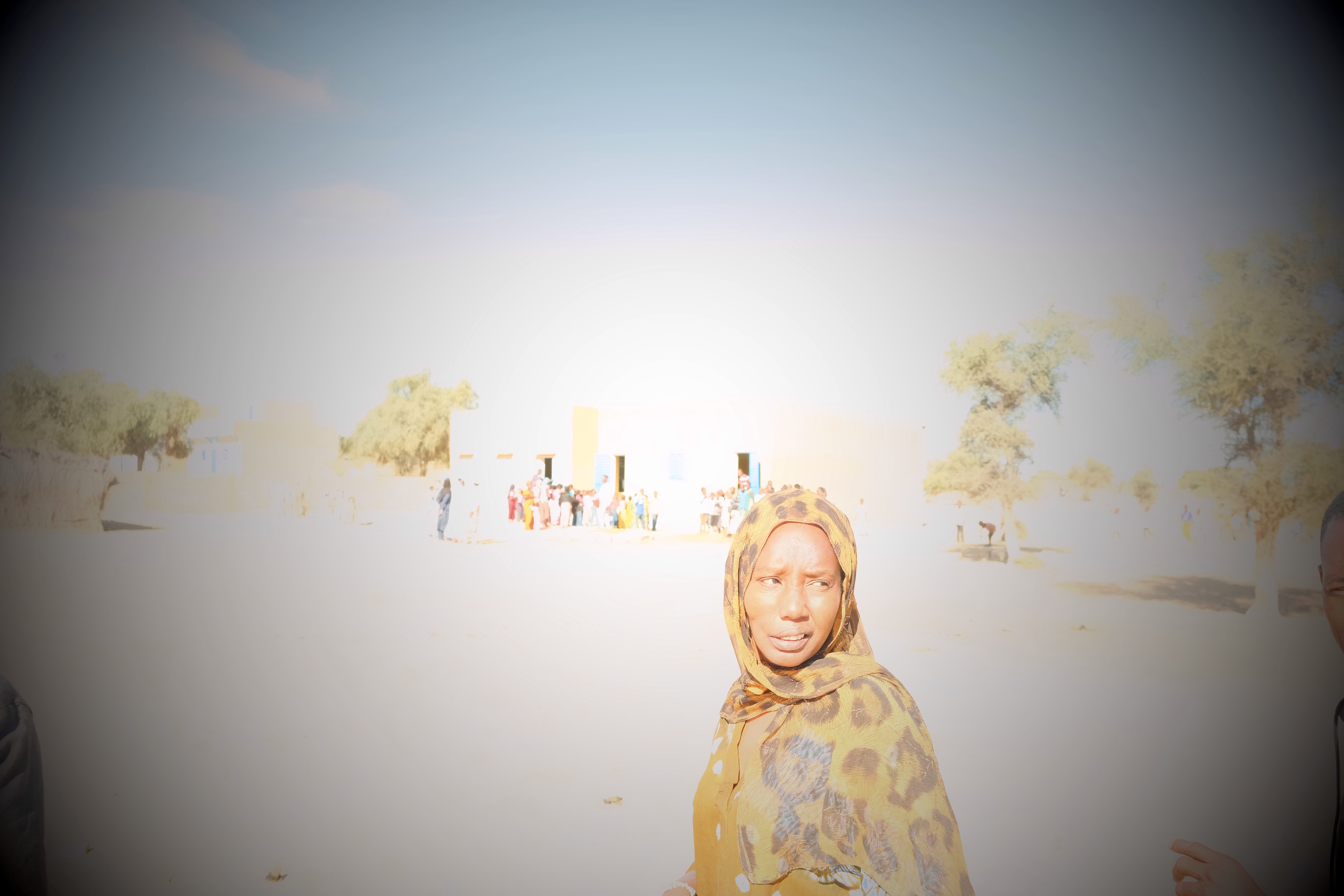
Program President, Senegal
“My name is Dieynaba Sy. I’m 41, I studied through secondary school, and I’m a mother of two daughters. I work as a community development agent, a farmer, and a processor of local foods.” Dieynaba leads Jango’s work on the ground year-round — construction, the canteen, the women’s gardens and the solar water systems.
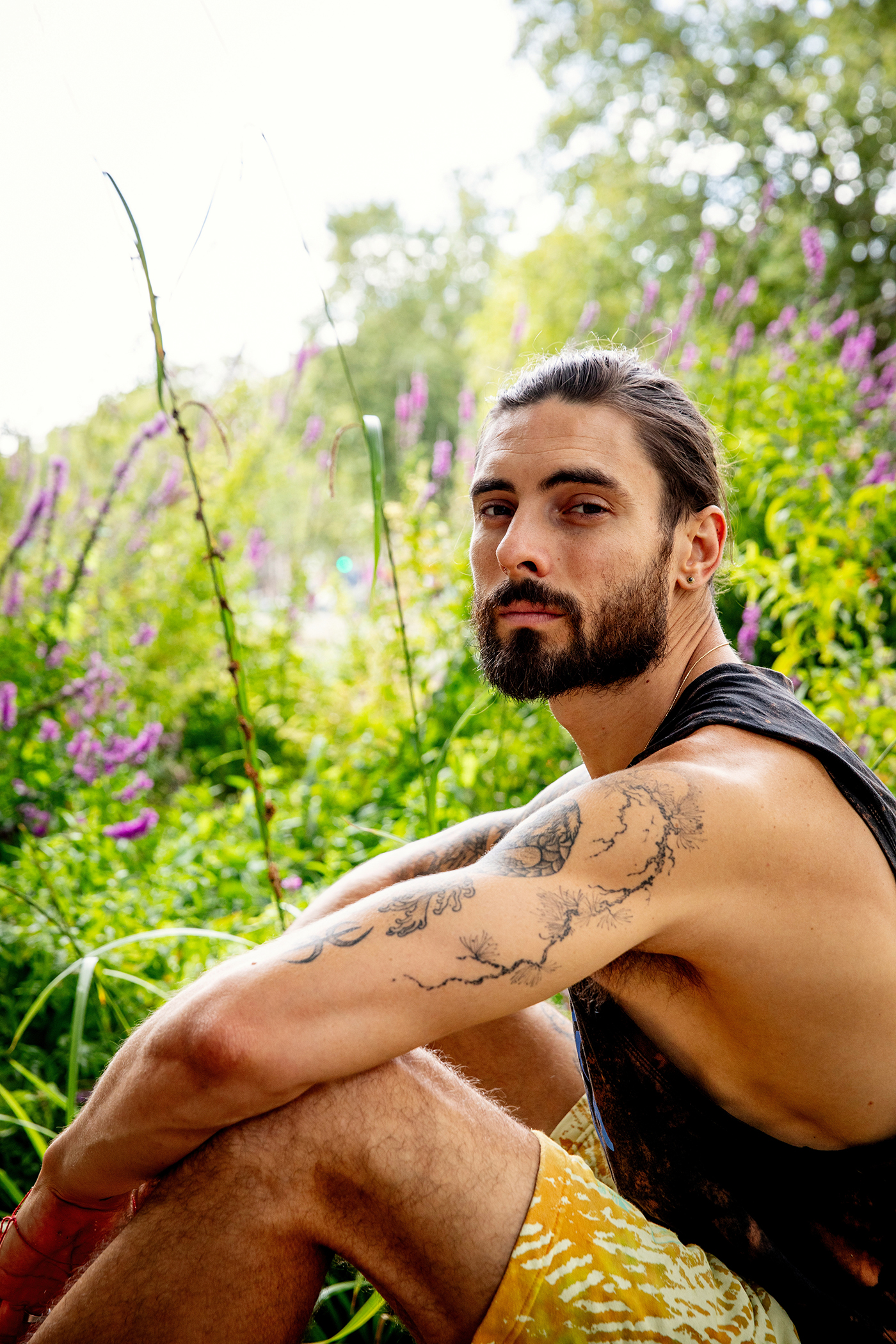
Founder
A former Peace Corps Senegal health volunteer, Conor arrived in the Guédé commune in 2016 and never really left. He built the first preschool in 2018, registered the Jango Project as a 501(c)(3) in 2022, and now leads its work from abroad — known in Senegal by his family name, Malick Gueye.
Dieynaba is supported by a three-person, volunteer monitoring team — manager Abdul Gueye, administrator Mountaga Beye, and a controller — who keep every project accountable on the ground.
Since 2019 we've channeled more than $75,000 straight into the Guédé commune of Senegal — and almost all of it lands on the ground. No one on our U.S. team draws a salary; across seven years, our only overhead has been a single flight and this website. Every dollar you give becomes a classroom, a hot lunch, clean water, or a tree.
Support our workThree branches
Quality education breaks the cycle of poverty. We build classrooms and preschools, equip them, and keep children learning.
Proper nutrition is vital for growth and learning. Our canteens give children a reliable daily meal at school.
Clean water, solar energy and trees protect children's health and their future — and cut families' costs.
People First. Every project follows the People First Impact Method (P-FIM) — the community names the need, leads the work, and owns the result.